

What’s changing in hospital infusion therapy?
Hospitals worldwide are increasingly dependent on infusion pump systems for delivering critical medications in intensive care, surgical procedures, and emergency treatment. But at the same time, clinical teams are facing growing concerns about whether current systems are keeping up with modern safety and workflow demands.
Small interruptions in infusion therapy—whether related to alarms, battery management, or system performance—can have serious consequences for high-risk patients. This is pushing healthcare providers to re-evaluate how infusion technology is used and managed in daily clinical practice.
Why are infusion systems under more scrutiny?
One of the key issues is the balance between automation and reliability. As infusion devices become more digitally controlled, hospitals expect higher precision and fewer manual errors. However, increased system complexity also means that maintenance, calibration, and user training are becoming more critical than ever.
Healthcare professionals are particularly focused on preventing dosage interruptions in ICU and anesthesia settings, where continuous and accurate drug delivery is essential for patient stability.
The rise of smarter infusion technologies
To address these challenges, the industry is rapidly moving toward more intelligent infusion systems. These include features such as dose error reduction mechanisms, real-time flow monitoring, and integration with hospital information systems.
The goal is not only to improve accuracy, but also to reduce the burden on clinical staff and enhance overall workflow efficiency in high-pressure hospital environments.
What hospitals are paying attention to next
As healthcare systems continue to modernize, decision-makers are prioritizing infusion technologies that offer:
- Higher delivery precision
- Better alarm management
- Stronger system reliability
- Improved integration with digital hospital networks
The shift suggests that infusion therapy is no longer just about fluid delivery—it is becoming a key part of hospital digital infrastructure.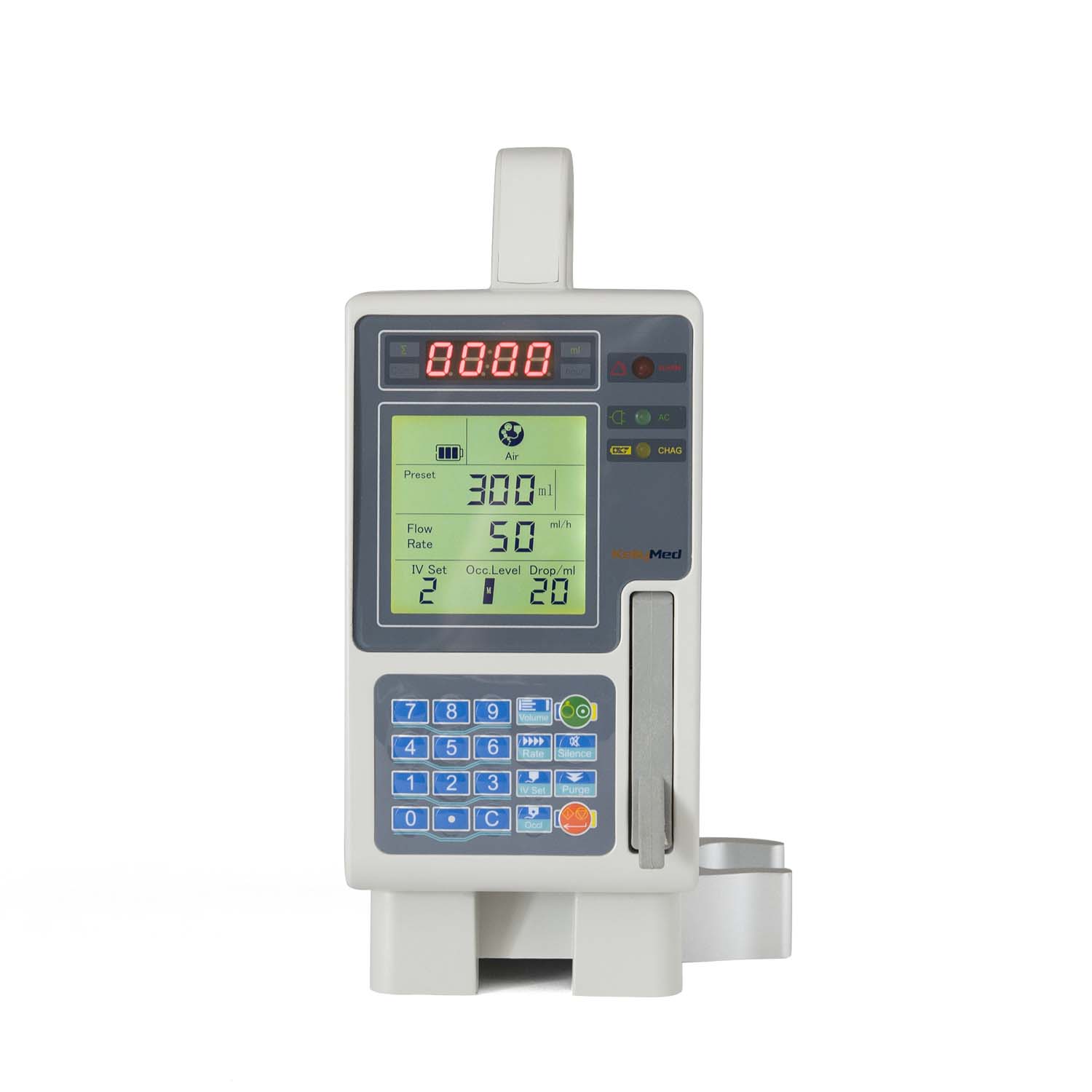
Post time: Jul-01-2026